How Pallet Liquidation Can Boost Your Inventory
Understanding the Pallet Liquidation Market: Essential Information
Managing the pallet liquidation market presents both prospects and difficulties. A well-planned approach is necessary for those considering entry into this space. Grasping the intricacies of product evaluation and supplier reliability is vital. Furthermore, identifying potential risks can safeguard investments. As the market keeps developing, the ability to pivot will determine success. How should one proceed to successfully position oneself in this competitive environment?
How to Begin With Pallet Liquidation
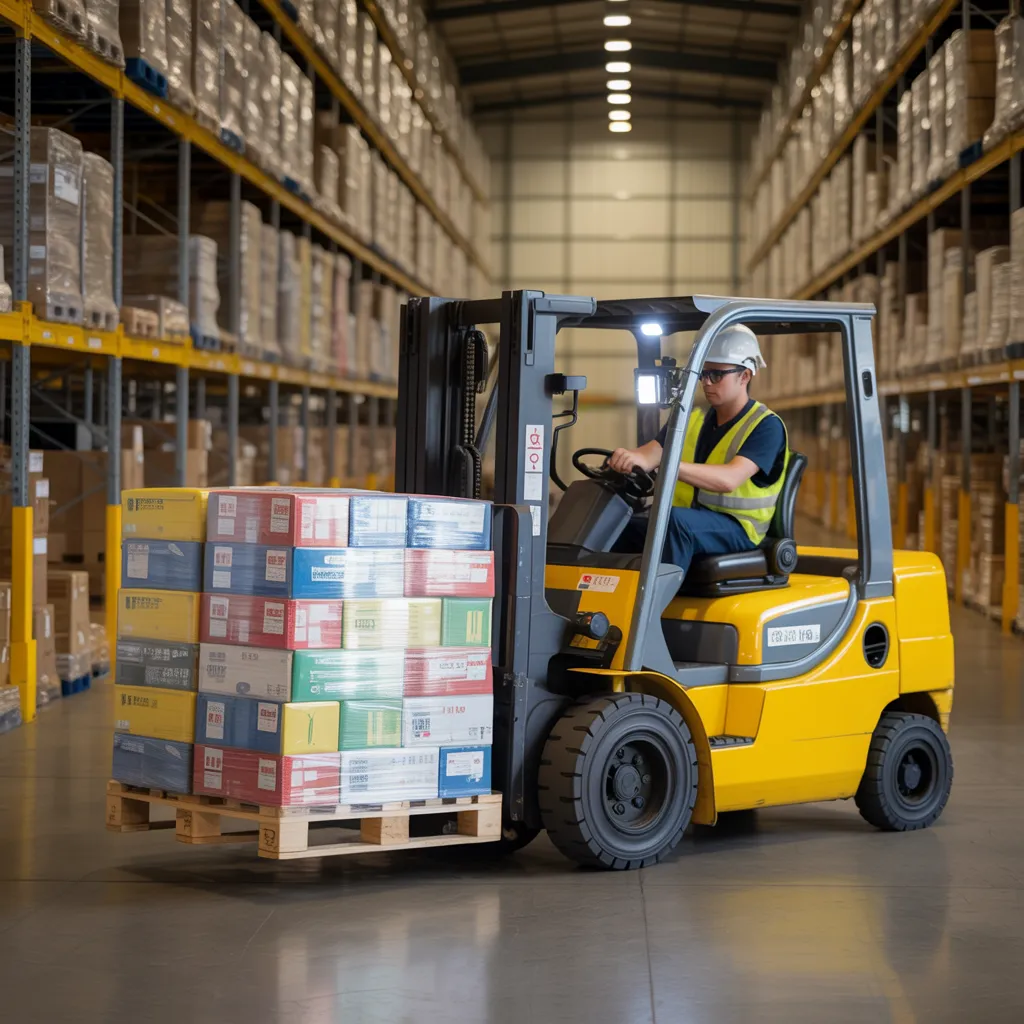
Getting started with pallet liquidation requires thorough planning and well-informed decisions. People who are interested in this space need to first consider their goals, whether for personal use or resale. Understanding the types of products commonly found in liquidation pallets is essential, since it directly shapes buying decisions. Analyzing market demand assists in pinpointing high-value products, ensuring a more strategic approach.
Next, budgeting is critical; interested buyers should establish how much they are prepared to spend while considering supplementary costs such as shipping fees, storage costs, and potential repair expenses.
Setting up a designated space to sort and inspect items is strongly suggested, enabling thorough inventory control.
In conclusion, setting realistic expectations helps with maneuvering the beginning learning process. By addressing pallet liquidation with a methodical strategy and defined goals, newcomers can improve their likelihood of success in this dynamic market.
Identifying Dependable Suppliers for Liquidation Pallets
Identifying trustworthy vendors for wholesale liquidation pallets is vital for individuals exploring this market. Your first move is to conduct thorough research, utilizing web-based directories and communities dedicated to wholesale pallet trading. These platforms often showcase ratings and reviews that can help determine vendor reliability. Connecting with nearby business circles or joining liquidation auctions can also provide valuable insights and recommendations.
Furthermore, prospective buyers should search for suppliers with straightforward practices, offering clear information about their sourcing practices and stock. It's advisable to ask for sample pallets before making larger purchases, as this gives buyers to examine the condition and quality of the items. Dependability can also be evaluated by a supplier's service quality; timely and thorough responses demonstrate professional standards. At the end of the day, cultivating a solid relationship with suppliers can produce improved agreements and steady inventory, essential for success in the pallet liquidation industry.
How to Evaluate Pallet Liquidation Merchandise
Assessing pallet liquidation merchandise requires a methodical method. Critical elements include examining the product quality, analyzing market demand, and confirming brand integrity. By addressing these aspects, purchasers can make well-considered purchasing judgments that maximize profitability.
Assess Product Condition
Assessing the quality of goods in pallet liquidation is crucial for maximizing potential profit. Buyers must carry out a detailed inspection of goods to establish their usability and resale value. This includes looking for physical damage, ensuring that all components are accounted for, and assessing whether products are new, refurbished, or used. A detailed inventory list can aid in this process, allowing for easier tracking of products' conditions. Additionally, being aware of return policies and warranties may impact purchasing decisions. By accurately appraising product condition, investors can reach informed choices that support their business strategies, ultimately leading to more profitable liquidation outcomes. Careful evaluation not only secures investments but also enhances overall market competitiveness.
Assess Market Demand
Comprehending market demand is a pivotal aspect of evaluating pallet liquidation goods. Buyers must examine existing trends to determine which products hold the highest resale potential. This requires analyzing popular niches, such as electronics, home goods, and apparel, and assessing seasonal variations that may influence demand. Leveraging online platforms and marketplaces can offer understanding into pricing and consumer interests. Furthermore, monitoring social media and customer reviews can uncover developing trends and preferences. By understanding the target audience and their purchasing behavior, buyers can make informed decisions, ensuring they identify pallets that are not only in demand but also able to produce a strong return. Comprehensive evaluation of market demand consistently improves the performance of pallet liquidation endeavors.
Confirm Brand Authenticity
Authenticating brand legitimacy is crucial for increasing profitability in the pallet resale market. Resellers need to carry out thorough research to confirm the products they acquire are real. This includes scrutinizing packaging materials, brand markings, and item descriptions against manufacturer standards. Comparing against brand official websites and customer reviews can provide insights into the credibility of the goods. Additionally, utilizing tools like barcode readers or professional authentication services can more thoroughly verify a product's origin. Evaluating seller histories on platforms and forums is also critical, as reputable vendors typically supply authentic goods. By emphasizing genuine merchandise, resellers can boost their profit margins and limit exposure to fake merchandise, thereby increasing overall earnings in the competitive liquidation landscape.
Recognizing Risks When Purchasing Liquidation Pallets
When purchasing liquidation merchandise pallets, buyers should be mindful of a number of inherent risks. Concealed costs can significantly affect profitability, while inconsistencies in quality may impact overall satisfaction with the products. Moreover, carrying out detailed market research is necessary to reach well-informed decisions and mitigate these risks.
Undisclosed Costs Explained
What hidden costs could emerge when buying liquidation pallets? Shoppers commonly misjudge the likely hidden charges connected to these purchases. Shipping fees can vary notably, especially for bulk orders, potentially inflating the overall expense. Furthermore, purchasers may face unforeseen handling fees when the pallets are delivered, especially if specialized equipment is needed for offloading. Storage fees may also arise if buyers lack immediate space to accommodate the inventory. Moreover, returns or disposal costs can accumulate if products are damaged or unsellable. Ultimately, the hours devoted to classifying and documenting goods can convert into personnel costs, increasing the overall spending. Understanding these concealed expenses is critical for purchasers to ensure a profitable liquidation outcome.
Quality Variability Concerns
What steps can buyers take to ensure they get quality products when buying liquidation pallets? Product quality inconsistency is a notable challenge in the liquidation market, as items can vary from brand new to damaged or unsellable. Shoppers commonly deal with the risk of getting products that fail to meet their standards, resulting in possible financial setbacks. To minimize these risks, it is vital for buyers to carry out detailed research on suppliers, which includes reviewing feedback and validating their credibility. Moreover, reviewing sample pallets or obtaining detailed manifests can deliver useful information about the expected quality. Knowing the return policies and warranty options can additionally assist buyers in securing their investments. At the end of the day, due diligence and a prudent approach are fundamental to handling the quality challenges in liquidation pallets.
Market Research Necessities
Issues surrounding quality variability demand a complete understanding of the risks associated with buying liquidation pallets. Buyers must conduct diligent market research to pinpoint potential pitfalls, such as misleading product descriptions and concealed defects. Knowing where the pallets originate from is crucial; established dealers usually deliver more reliable products. Moreover, buyers should evaluate the possible resale worth of items within the pallets, as marketplace interest can shift substantially. Knowledge of product categories helps in making well-informed choices. Additionally, reviewing return policies and warranty options can mitigate financial risks. By keeping these considerations in mind, purchasers can move through the liquidation market with greater confidence, minimizing the risk of unanticipated losses and optimizing potential returns.
How to Successfully Resell Liquidation Goods
Reselling liquidation goods has the potential to be a rewarding pursuit when handled with a thoughtful approach. Success begins with thorough product evaluation; grasping the item quality and likely selling price is critical. Vendors are advised to organize products into levels—brand-new, restored, and secondhand—to attract a wider audience.
Effective marketing plays a significant role; making use of digital platforms including eBay, Amazon, or niche liquidation portals can expand your reach to prospective buyers. Professional photographs and thorough descriptions boost credibility and attractiveness.
Pricing models need to account for both the initial cost and market demand; well-positioned pricing can lead to faster sales. Additionally, fostering customer relationships through excellent service encourages repeat business.
Moreover, keeping up with market trends and consumer preferences enables merchants to tailor their offerings appropriately, enhancing profitability. When putting these techniques into practice, sellers can successfully manage the nuances of the secondary market, ensuring a rewarding resale experience.
Handling Your Budget for Liquidation Purchases
Successfully managing a budget for liquidation purchases is crucial for anyone looking to thrive in this market. A carefully structured budget helps buyers assess their spending boundaries and rank prospective acquisitions. It is important to investigate the typical prices of pallets, including shipping and handling fees, to prevent excessive spending.
Investors should furthermore create a clear plan for how much funds to allocate for different inventory categories, ensuring a comprehensive method that reduces potential risks. Tracking sales and expenses can deliver valuable insights, facilitating changes in subsequent budget allocations.
Setting aside a emergency fund for unanticipated costs or occasions can further enhance fiscal freedom. Buyers must also remain disciplined, avoiding the urge to surpass their spending limits for impulse buys. By diligently overseeing their monetary affairs, purchasers can enhance their gains and develop a long-term strategy to acquiring liquidation merchandise.
Building a Profitable Liquidation Business
As individuals enter the liquidation market, building a profitable business requires a well-planned strategy that includes sourcing, inventory management, and sales techniques. Thriving business owners start by establishing reliable sources for top-tier liquidation pallets, including auctions and wholesale suppliers. Recognizing market patterns is vital; savvy buyers focus on demand-driven products to optimize profit margins.
Proper inventory management includes monitoring stock quantities and assessing the profitability of products. This enables business owners to make informed decisions about restocking and pricing. Moreover, leveraging multiple sales channels—such as online marketplaces, local flea markets, or retail stores—can boost visibility and connect with a wider audience.
Effective marketing strategies play a critical role. An active social media presence alongside focused advertising campaigns can draw in customers and increase revenue. Ultimately, a balanced approach to sourcing, management, and marketing enables individuals to thrive in the competitive liquidation landscape, paving the way for sustained profitability.
Frequently Asked Questions
What Product Types Are Typically Included in Liquidation Pallets?
Liquidation pallets typically include an assortment of merchandise, including clothing, electronics, furniture, seasonal items, and home goods. These pallets can contain excess inventory, returned items, or surplus stock from retailers. Often, the products are new or gently used, although some items may need minor repairs. Shoppers can discover brand-name products alongside lesser-known labels, offering opportunities for resale or personal use at discounted prices, making them appealing for both individuals and small businesses.
What Role Do Shipping Costs Play in Pallet Liquidation Purchases?
Freight costs substantially influence pallet liquidation purchases by contributing to the overall expenses. Resellers should evaluate these costs when calculating potential profits, as high shipping fees can erode margins. Additionally, shipping rates may differ according to the weight of the pallets and distance, influencing purchasing decisions. A thorough understanding of these costs can enable resellers to make well-informed selections, ensuring that the potential gains from reselling products outweigh the freight expenditures accumulated.
Are There Seasonal Trends in Pallet Liquidation Availability?
Seasonal fluctuations in pallet liquidation availability are apparent, with certain times of the year showing increased stock. Generally, following major holidays or retail seasons, surplus inventory results in greater liquidation opportunities. Additionally, spring and summer months often see a surge in liquidation as retailers clear out seasonal items. In contrast, the winter months tend to experience reduced activity, as companies prioritize holiday sales, influencing the availability of liquidation pallets.
Are Liquidation Pallets Available for Purchase in Smaller Quantities?
Absolutely, liquidation pallets can be purchased in smaller quantities. Several liquidation companies and wholesalers extend purchasing options for buyers wanting fewer pallets, catering to individual resellers or small businesses. This versatility gives buyers the opportunity to evaluate the market or control their inventory more effectively. That said, availability can differ, and it's advisable for potential purchasers to research suppliers to find those who specifically accommodate smaller orders.
What Are the Tax Consequences of Reselling Liquidation Products?
There are specific tax implications associated with reselling liquidation goods. Income tax is typically explore the details applied to profits generated from resale, requiring individuals to report earnings on their tax returns. In addition, sales tax might be required, according to the local regulations and the category of items sold. It is recommended that resellers maintain thorough documentation of purchases and sales to ensure they remain compliant with tax laws. Consulting a tax professional can help clarify individual responsibilities and potential deductions.